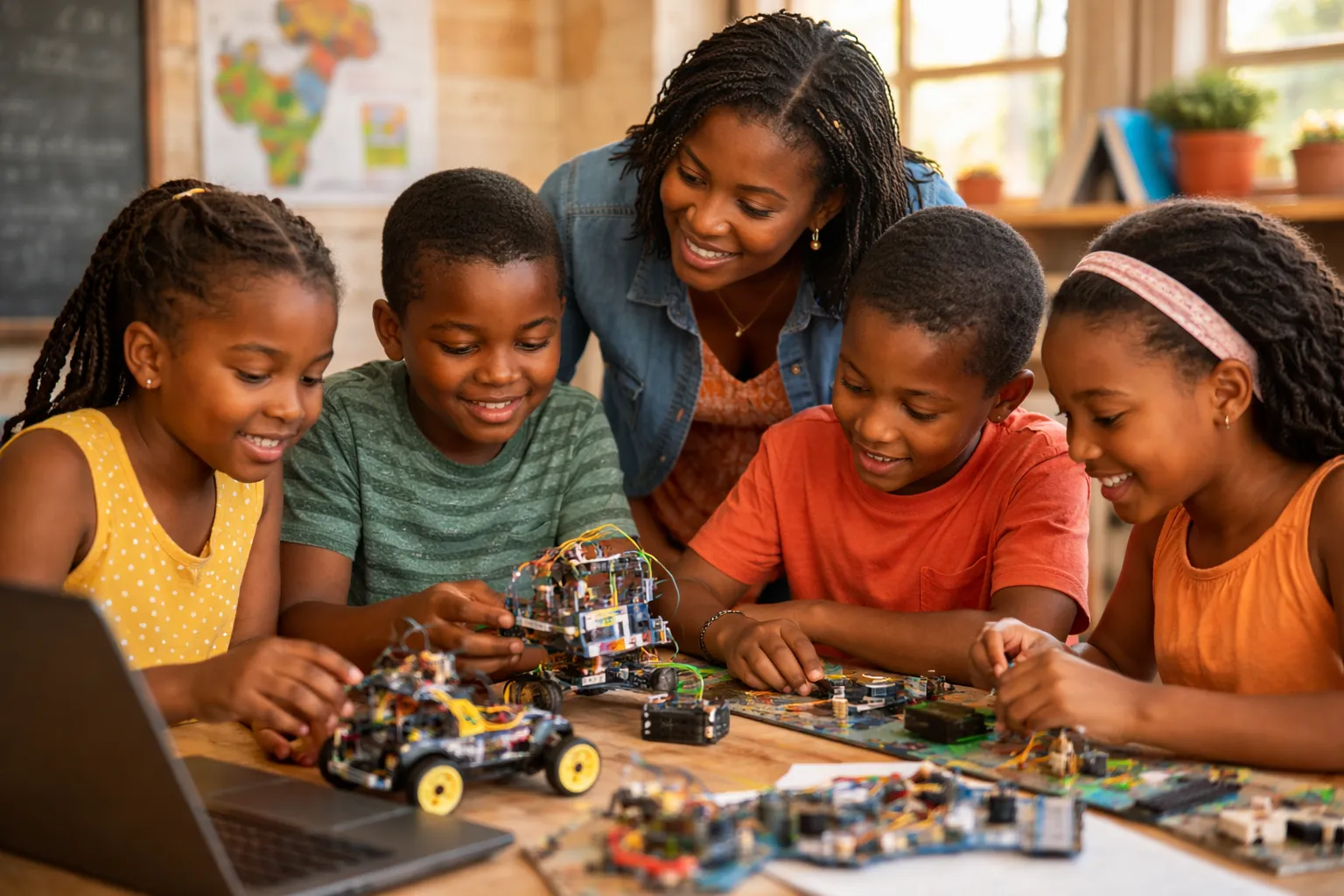
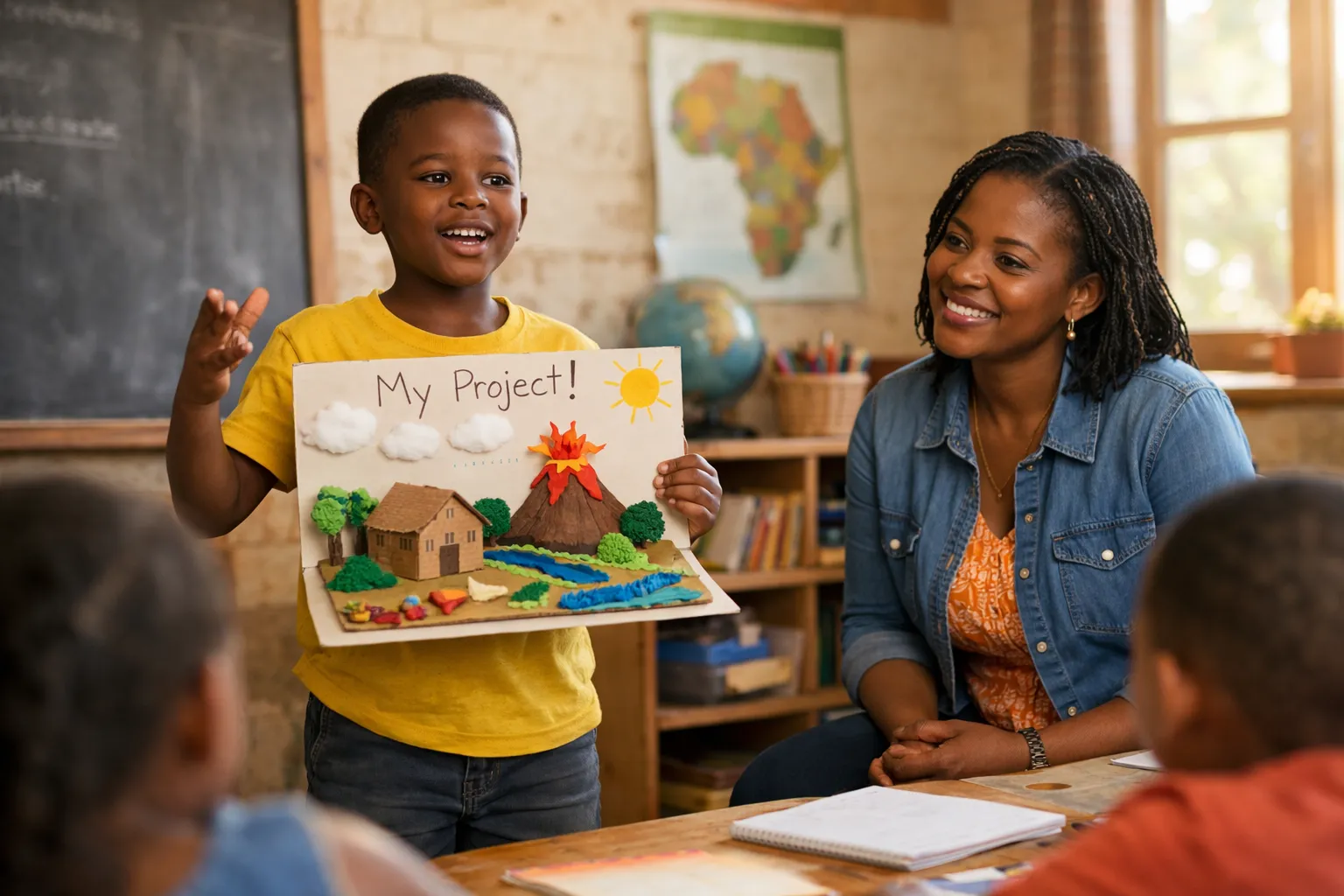
In many homes today, grades are treated as the ultimate measure of success. Parents celebrate high scores and feel anxious when results are average. While academic achievement is important, it is not the strongest predictor of lifelong success. Confidence is.
At Cedar Explorers Concept, we observe a consistent pattern. Children who believe in their ability to try, explore, and recover from mistakes grow into stronger learners over time than children who simply aim to perform well.
Confidence shapes how a child approaches learning. Grades only reflect what has already happened.
Understanding Confidence in Children
Confidence in childhood is not loudness or perfection. It is the quiet belief that says, I can try. It shows up when a child is willing to:
Speak up even when unsure
Attempt something new
Ask questions without fear
Recover after making a mistake
Persist when something feels difficult
Children who lack confidence may avoid challenges even when they are capable. Children who are confident are more likely to engage deeply and improve naturally.
The Hidden Cost of Grade Focused Parenting
When grades become the primary focus, several unintended consequences appear:
Fear of mistakes increases
Children begin to compare themselves constantly
Learning becomes performance driven
Curiosity declines
Creativity weakens
Children may begin to see their worth through academic outcomes instead of effort and growth.
Over time this can reduce intrinsic motivation. A child who learns only to impress others may struggle to learn for personal growth.
Why Confidence Strengthens Academic Success
Confidence improves academic performance because it supports:
Better participation in class
Stronger memory retention
Willingness to ask for help
Resilience after failure
Greater independence
When children feel safe to try, their academic growth accelerates naturally.
Confidence does not replace academics. It strengthens them.
The Role of Parents in Building Confidence
Parents shape confidence daily through small interactions.
Language Matters
When parents praise effort instead of identity, children learn that growth comes from practice.
Instead of saying, You are very smart
Say, You worked hard on this
Effort based praise builds resilience.
Response to Mistakes
Mistakes are powerful learning tools. Calm responses teach children that errors are part of growth.
Avoiding Comparison
Comparison weakens confidence. Every child develops at a unique pace.
Encouraging Independence
Allow children to attempt tasks independently even if they struggle. Competence builds belief.
Practical Confidence Building at Home
Encourage problem solving
Allow safe risks
Model calm responses
Create open conversations
Celebrate progress not perfection
These practices build internal confidence rather than external dependence.
Why Cedar Explorers Prioritises Confidence
Our programs are designed to:
Encourage exploration
Remove fear of failure
Support guided independence
Blend creativity with structure
We believe confident children become capable learners.
Conclusion
Grades measure results. Confidence shapes futures.
When children trust themselves, they engage more deeply with the world around them. Confidence becomes the foundation for lifelong growth.