
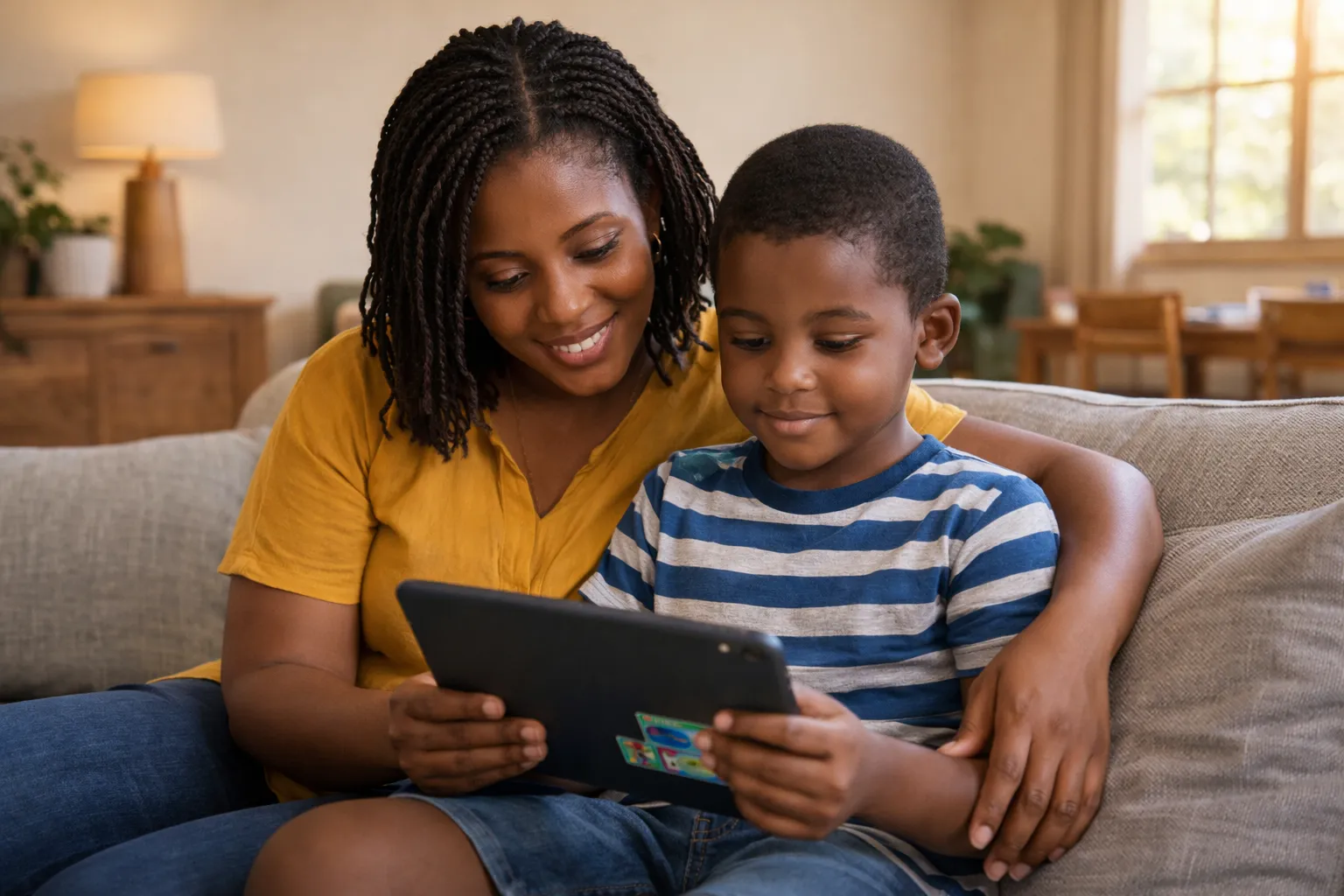
Introducing Technology to Children the Right Way Technology is part of modern childhood. Avoiding it completely is unrealistic. The real question is how to introduce it wisely. When used intentionally, technology enhances creativity, learning, and confidence. When unmanaged, it reduces attention and increases dependency. Balance is key. Understanding Digital Readiness Children develop digital awareness in stages. Ages 4 to 5 need short supervised exposure.Ages 6 to 7 can handle structured time with clear limits.Ages 8 to 9 begin understanding responsibility.Ages 10 to 12 need conversations about digital ethics. Guidance must evolve with age. Passive Use Versus Creative Use Passive use includes endless scrolling and entertainment without engagement. Creative use includes: CodingDigital designResearchEducational platformsContent creation Creative use builds skill. Passive use consumes time. Setting Healthy Digital Boundaries Establish clear routines.Create device free zones.Encourage offline play.Discuss expectations calmly. Consistency builds security. Warning Signs of Overexposure Irritability after screen useSleep disruptionReduced attention spanSecretive device habits Observation matters more than panic. Teaching Digital Responsibility Children should learn: Online safetyRespectful communicationBalanced usageCritical thinking about content Digital literacy protects confidence. Cedar Explorers Approach We integrate technology as a creative tool.We prioritise learning over entertainment.We support balance and responsibility. Technology should empower, not control. Conclusion Introducing technology thoughtfully prepares children for the future while protecting their wellbeing. When guided properly, children become digitally confident rather than digitally dependent.
How Hands On Learning Strengthens Brain Development in Children
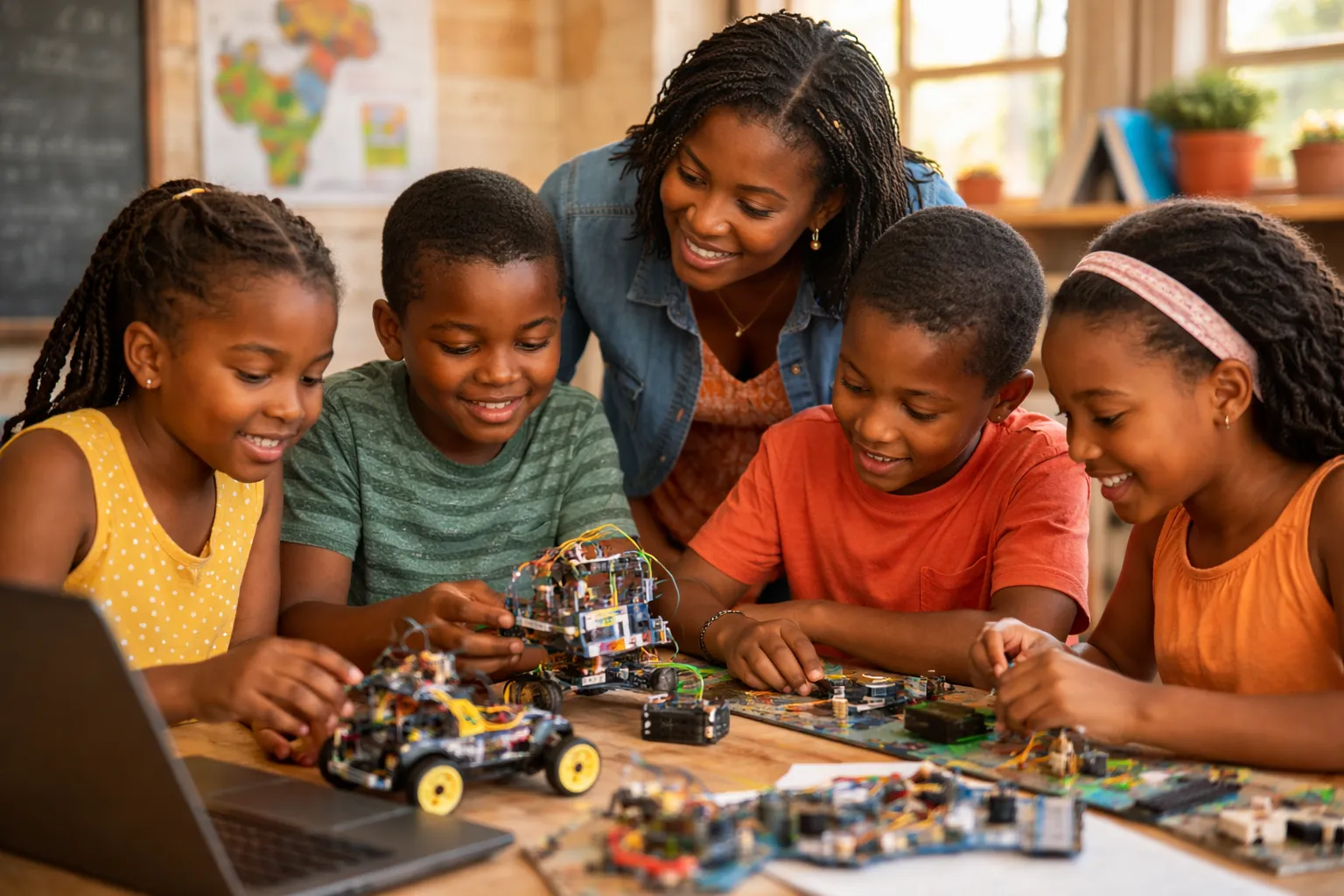
How Hands On Learning Strengthens Brain Development in Children Children are natural explorers. From infancy they learn by touching, observing, experimenting, and interacting. When learning becomes passive, engagement decreases. When learning becomes active, understanding deepens. Hands on learning activates multiple areas of the brain at once. This strengthens neural connections and supports long term retention. What Is Hands On Learning Hands on learning means children actively engage with materials, tools, and ideas. It includes: BuildingCreatingExperimentingTesting ideasCollaboratingReflecting Learning becomes physical and mental at the same time. The Science Behind Active Learning Neuroscience shows that when children use more than one sense while learning, neural pathways become stronger. Touch activates sensory systemsMovement supports memoryProblem solving builds executive functionEmotion enhances retention Passive listening activates fewer cognitive processes. Active participation strengthens understanding. Cognitive Benefits of Hands On Learning 1 Improved Memory Retention Children remember what they experience more than what they hear. 2 Stronger Problem Solving Skills When children experiment and adjust, they develop logical thinking. 3 Increased Creativity Exploration invites innovation. 4 Better Focus Engagement increases attention naturally. 5 Emotional Benefits Hands on learning also supports emotional growth: Children feel ownership over their workThey experience prideThey learn resilienceThey develop confidence Ownership builds motivation. Hands On Learning at Cedar Explorers Our programs integrate: Robotics buildingCreative art projectsCoding sessionsScience discovery activitiesCollaborative design work Each activity balances structure with freedom. Supporting Hands On Learning at Home Parents can: Encourage building projectsAllow creative messProvide open ended materialsAsk guiding questionsLimit passive screen use Small changes create powerful impact. Conclusion When children learn by doing, understanding deepens. Brain development strengthens. Confidence grows. Hands on learning is not an extra. It is essential.
Why Confidence Matters More Than Grades in Early Childhood Development
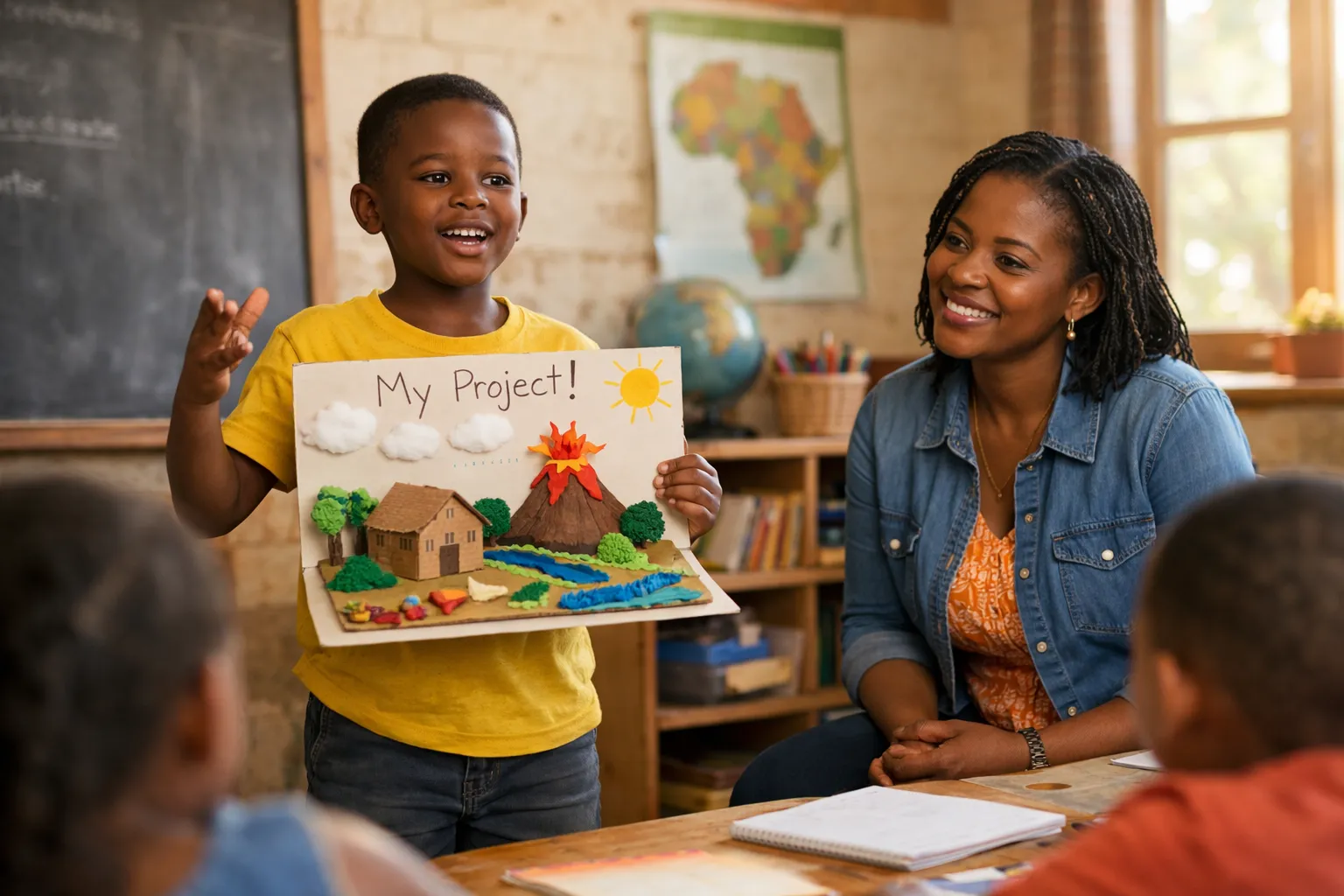
In many homes today, grades are treated as the ultimate measure of success. Parents celebrate high scores and feel anxious when results are average. While academic achievement is important, it is not the strongest predictor of lifelong success. Confidence is. At Cedar Explorers Concept, we observe a consistent pattern. Children who believe in their ability to try, explore, and recover from mistakes grow into stronger learners over time than children who simply aim to perform well. Confidence shapes how a child approaches learning. Grades only reflect what has already happened. Understanding Confidence in Children Confidence in childhood is not loudness or perfection. It is the quiet belief that says, I can try. It shows up when a child is willing to: Speak up even when unsureAttempt something newAsk questions without fearRecover after making a mistakePersist when something feels difficult Children who lack confidence may avoid challenges even when they are capable. Children who are confident are more likely to engage deeply and improve naturally. The Hidden Cost of Grade Focused Parenting When grades become the primary focus, several unintended consequences appear: Fear of mistakes increasesChildren begin to compare themselves constantlyLearning becomes performance drivenCuriosity declinesCreativity weakens Children may begin to see their worth through academic outcomes instead of effort and growth. Over time this can reduce intrinsic motivation. A child who learns only to impress others may struggle to learn for personal growth. Why Confidence Strengthens Academic Success Confidence improves academic performance because it supports: Better participation in classStronger memory retentionWillingness to ask for helpResilience after failureGreater independence When children feel safe to try, their academic growth accelerates naturally. Confidence does not replace academics. It strengthens them. The Role of Parents in Building Confidence Parents shape confidence daily through small interactions. Language Matters When parents praise effort instead of identity, children learn that growth comes from practice. Instead of saying, You are very smartSay, You worked hard on this Effort based praise builds resilience. Response to Mistakes Mistakes are powerful learning tools. Calm responses teach children that errors are part of growth. Avoiding Comparison Comparison weakens confidence. Every child develops at a unique pace. Encouraging Independence Allow children to attempt tasks independently even if they struggle. Competence builds belief. Practical Confidence Building at Home Encourage problem solvingAllow safe risksModel calm responsesCreate open conversationsCelebrate progress not perfection These practices build internal confidence rather than external dependence. Why Cedar Explorers Prioritises Confidence Our programs are designed to: Encourage explorationRemove fear of failureSupport guided independenceBlend creativity with structure We believe confident children become capable learners. Conclusion Grades measure results. Confidence shapes futures. When children trust themselves, they engage more deeply with the world around them. Confidence becomes the foundation for lifelong growth.